

Studio D’Artisan SS26: Materials, Memory and Japanese Textile Storytelling
For its SS26 collection, Studio D’Artisan continues its singular approach to clothing: that of a narrative textile, where every material becomes a vessel for culture, history, and artisanal transmission.
This season, our selection is guided by three main pillars: the ancestral dyeing techniques of the Amami Islands, the graphic heritage of Japan’s oldest illustrated narrative with Chōjū Giga, and a contemporary organic fibre with FoxFibre® Cotton. Three visions of textiles, between nature, memory, and innovation.
AMAMI DOROZOME — Ancestral dyeing from Amami Ōshima
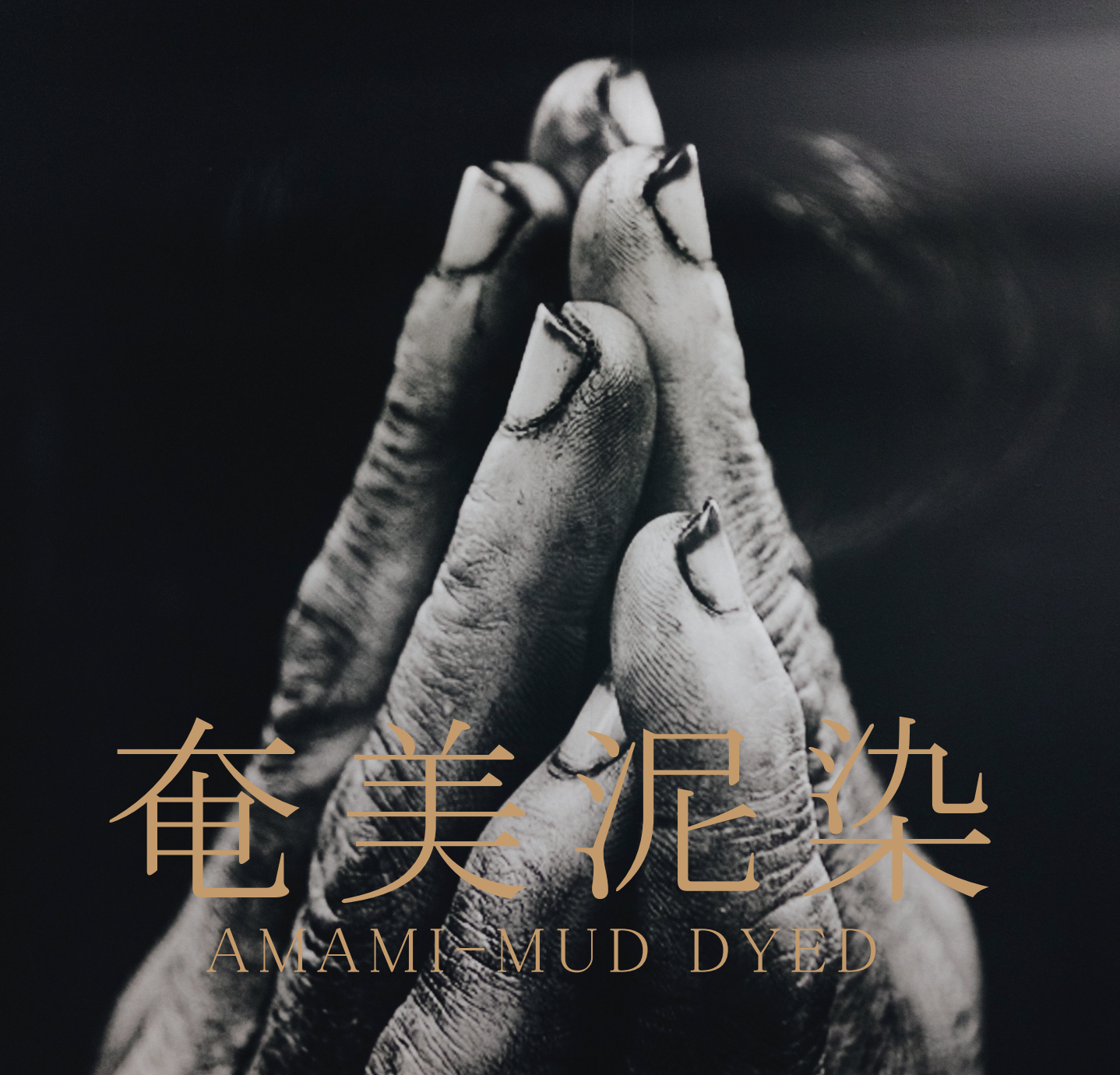
The AMAMI MUD DYED capsule explores the traditional Amami Dorozome technique, a mud-dyeing method originating from the island of Amami Ōshima in southern Japan. While its exact origins remain unclear, historical traces dating back to the Nara period (over 1,300 years ago) already mention brown textiles offered to temples in the capital, likely originating from the southern islands such as Amami.
This process relies on a direct interaction between plant matter and geology. The fibres are first immersed in a boiled extract of Sharinbai (Rhaphiolepis umbellata), a native plant that takes 10 to 30 years to mature. They are then dipped into the island’s iron-rich mud, formed from geological layers over 1.5 million years old. This immersion cycle is repeated multiple times to fix the colour.
With no chemical dyes involved, Dorozome produces deep, earthy, and organic tones. The result is a warm colour, subtly complex, impossible to replicate through modern synthetic processes. Each piece carries a natural variation, a direct reflection of earth and time.
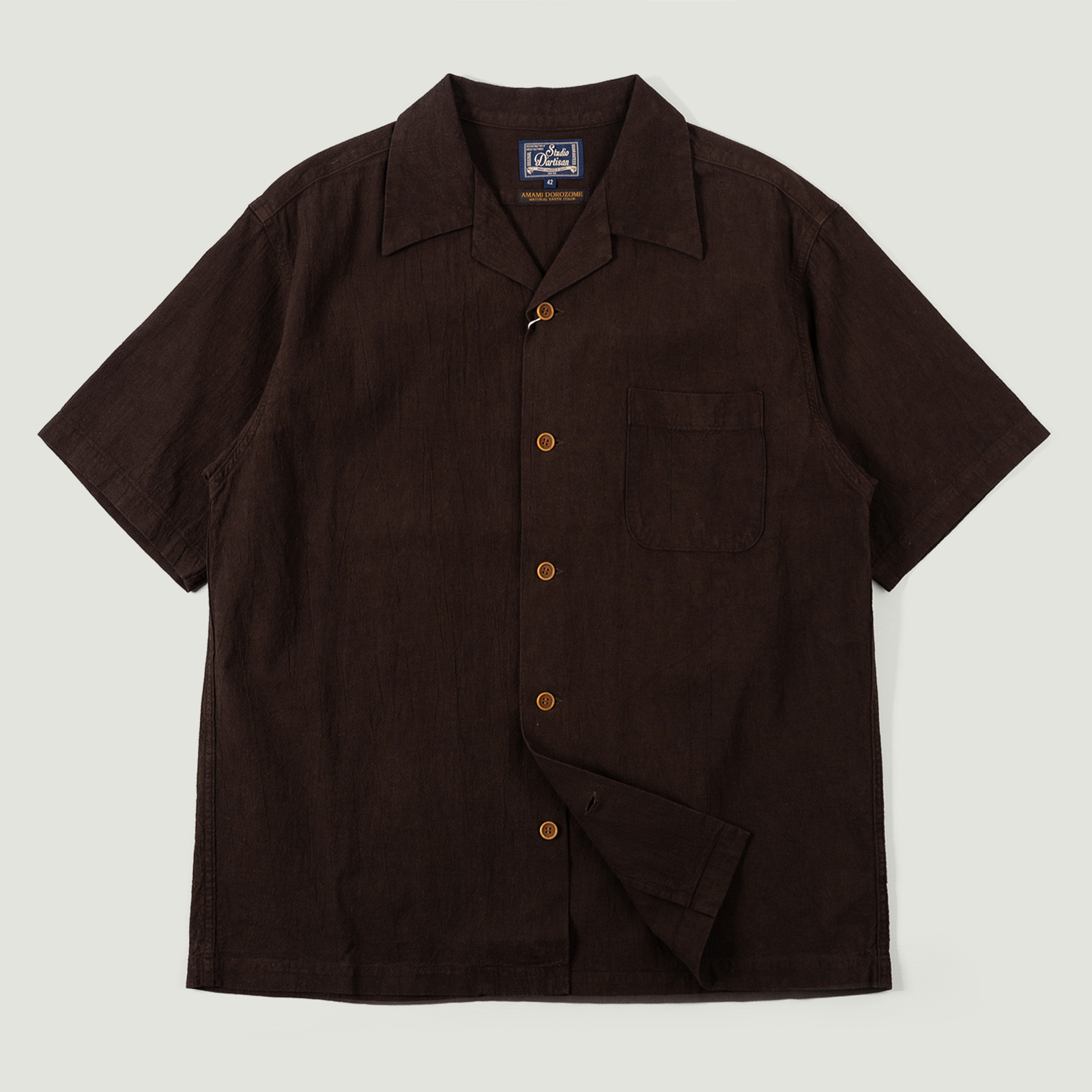
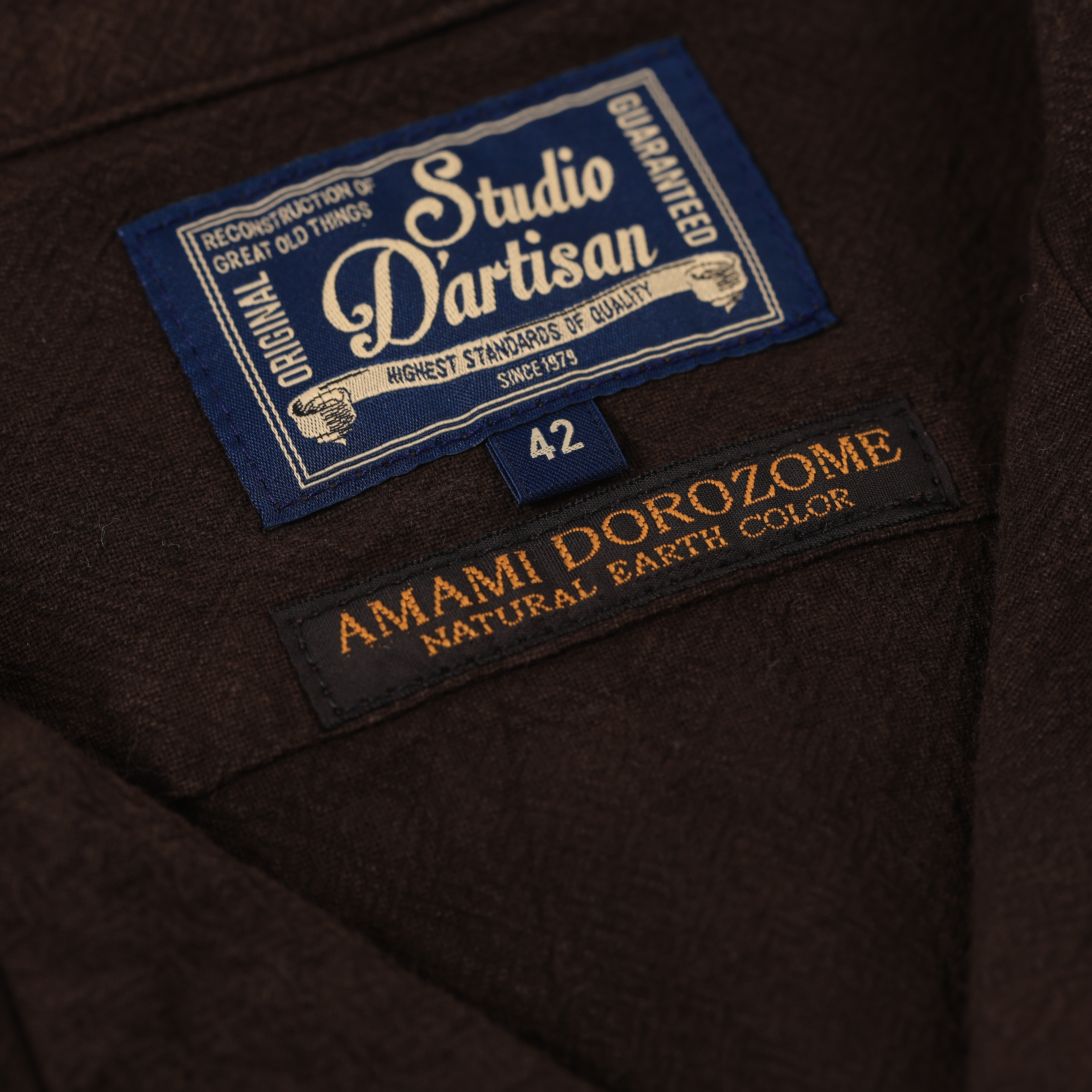
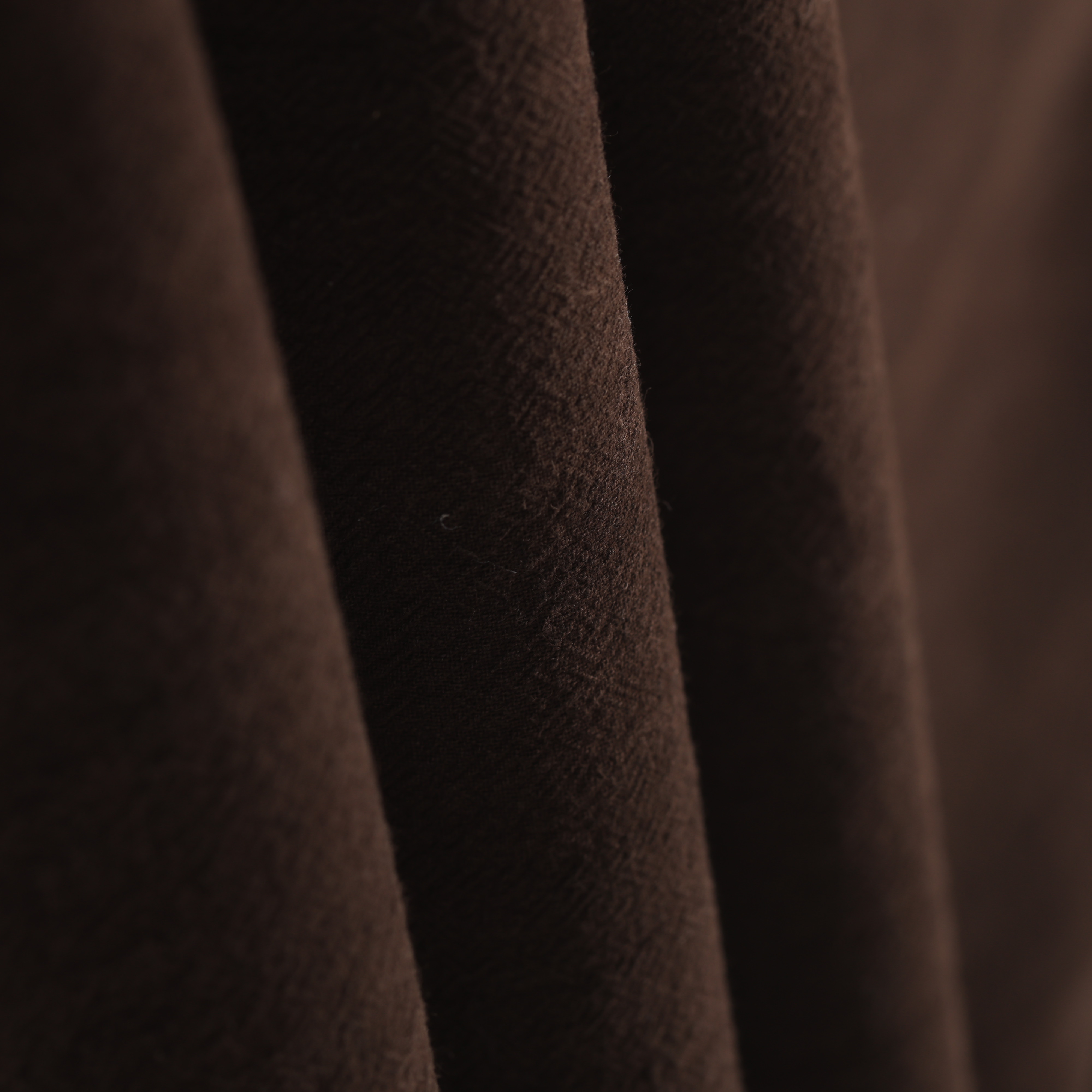
The Amami Mud Dyed Shirt Dark Brown showcases this technique at its finest, enhanced by the textured, organic blend of linen and cotton, where the colour appears to emerge directly from the fibre rather than being applied onto it.
THE OLDEST MANGA IN JAPAN — Printed Kasuri and textile storytelling
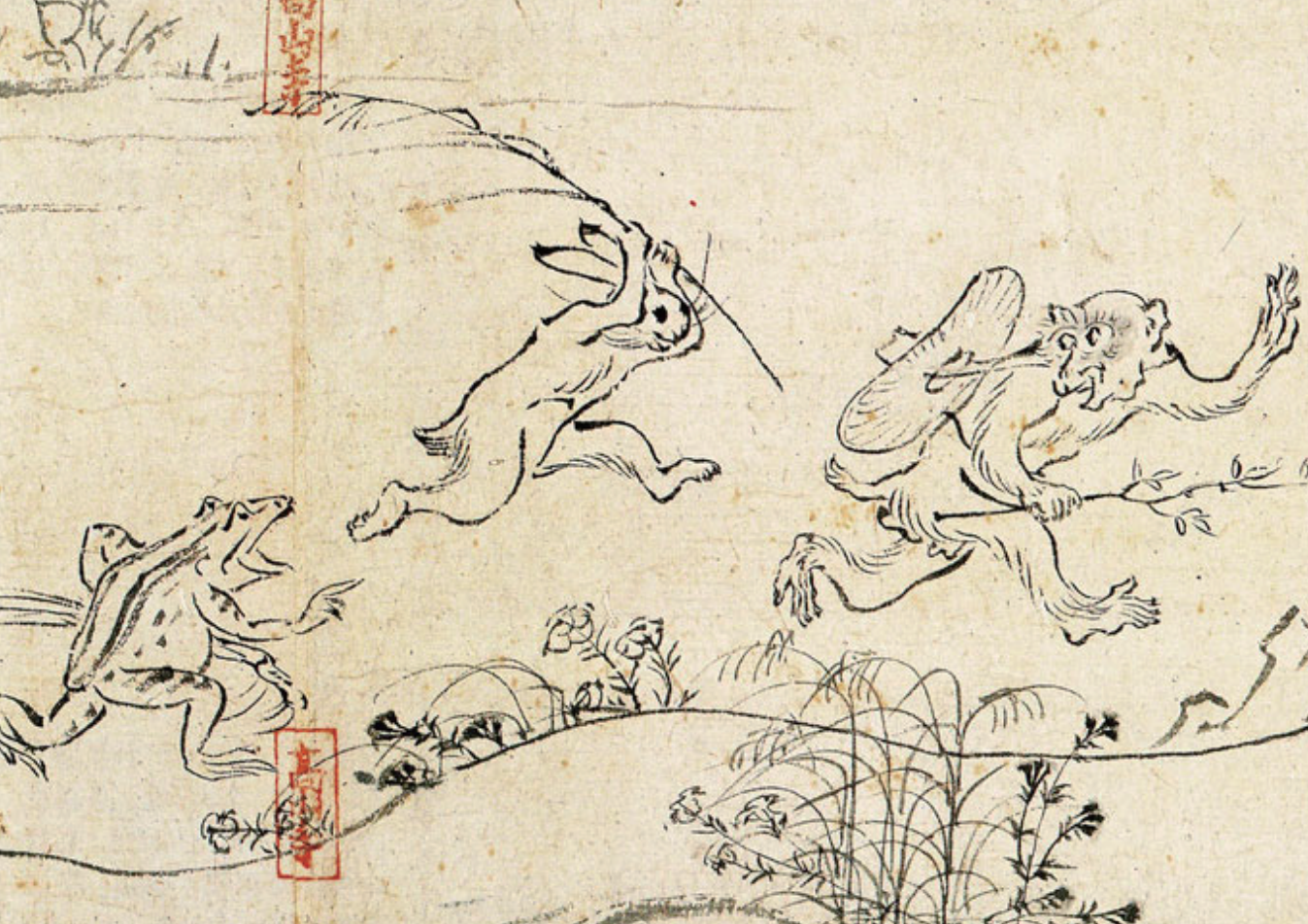
The THE OLDEST MANGA IN JAPAN capsule is inspired by Chōjū Giga, often considered the oldest example of Japanese manga. This illustrated scroll, whose title can be translated as “Caricatures of Birds and Beasts,” features expressive animals — rabbits, frogs, and other creatures — drawn without text, yet still conveying a clear and universal narrative. Dating back around 1,200 years, it is one of the earliest major examples of visual storytelling.
In this continuity, Studio D’Artisan develops an original textile based on Printed Kasuri, a Japanese dyeing and weaving technique that emerged about a century ago in the Niigata region. This process uses ink that reacts to oxidation to reveal colour, applied using stencils containing oxidising or neutralising agents.
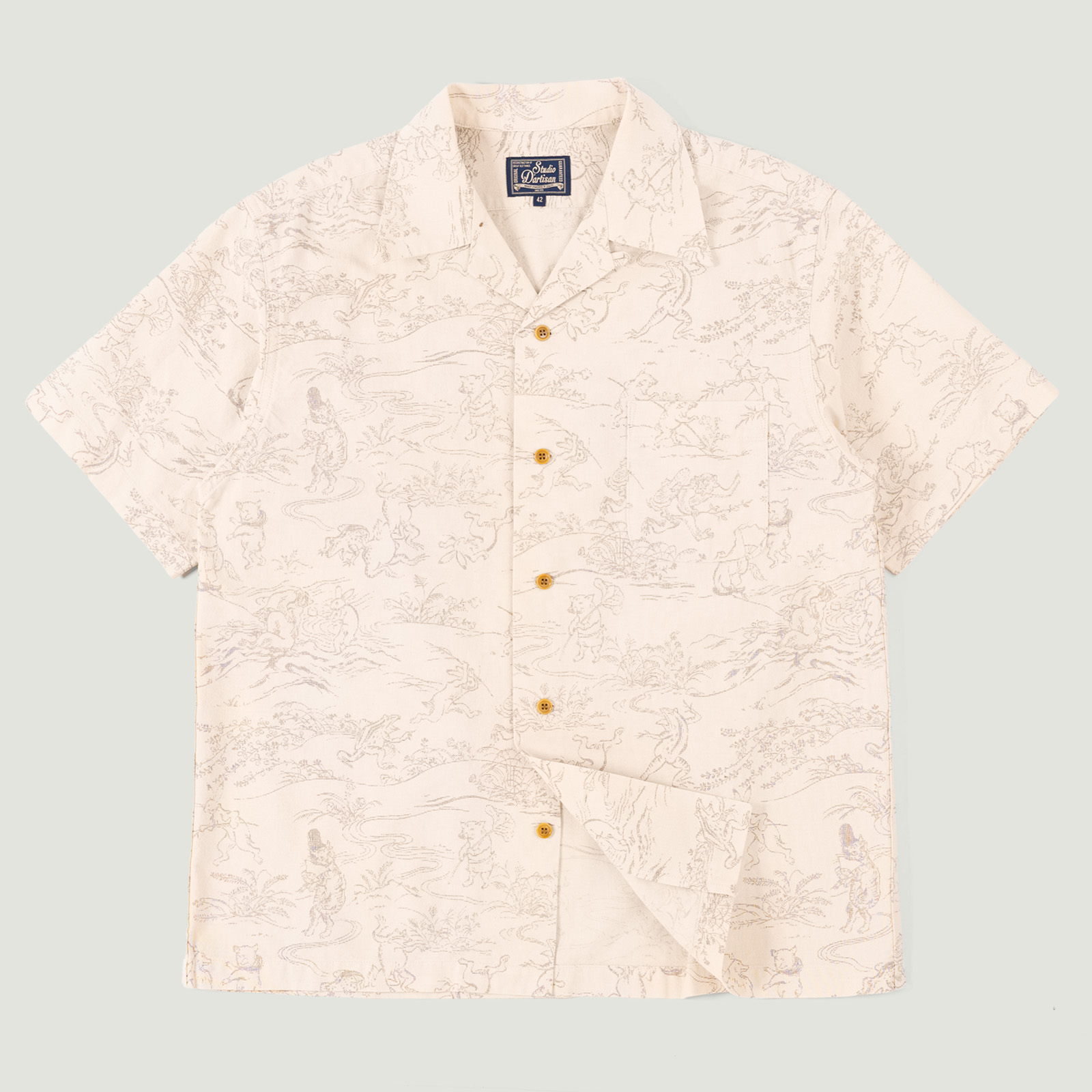
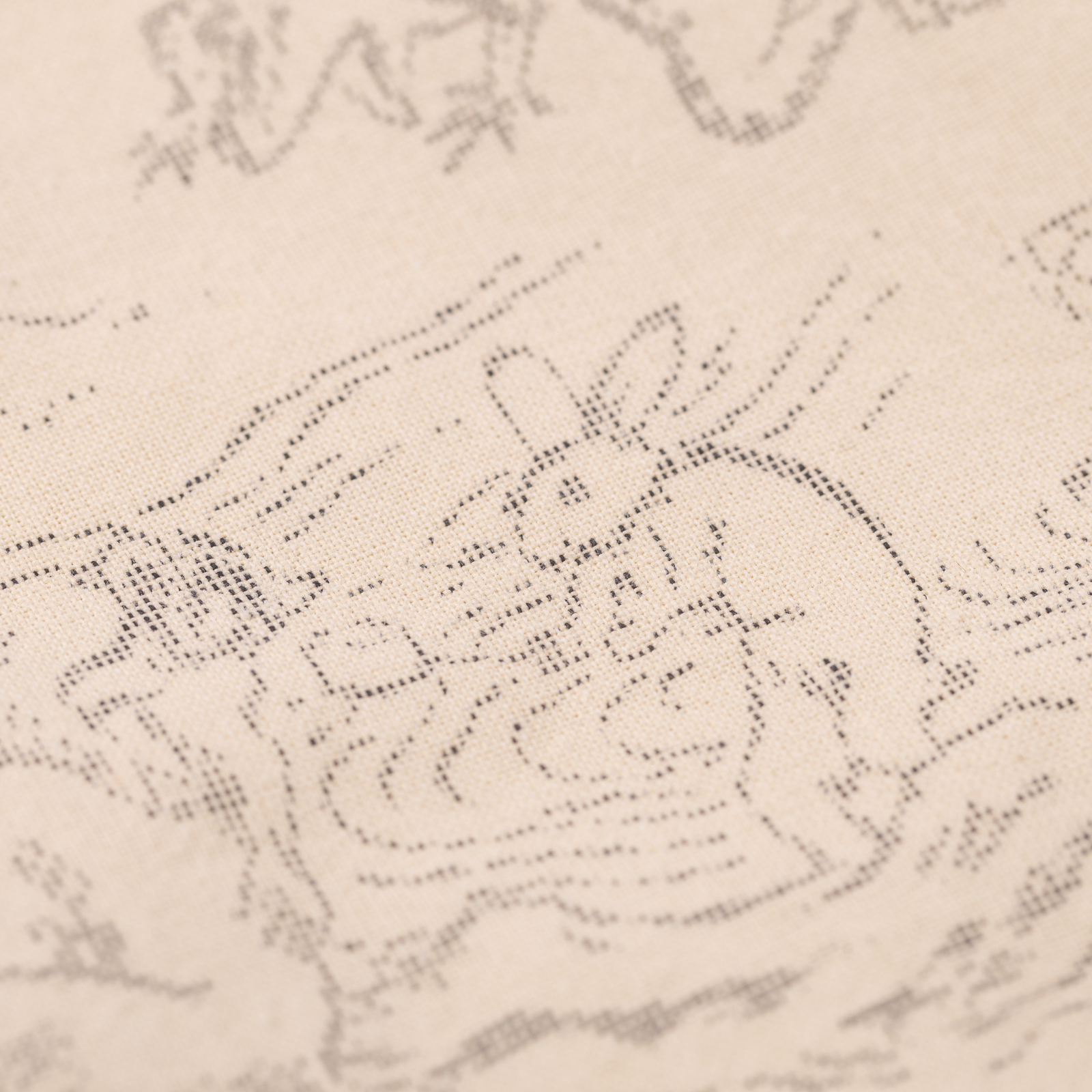
Without the use of heat, this process creates highly refined motifs, close to traditional woven Kasuri. Each step — yarn preparation, weaving, then stencil printing — is carried out by specialised artisans. Today, this rare technique survives in only one workshop in Japan.
The result merges traditional aesthetics with contemporary craftsmanship, giving birth to a subtle yet deeply rich textile, where the visual storytelling of Chōjū Giga finds a modern resonance.
FOX COTTON — Cotton in its purest form
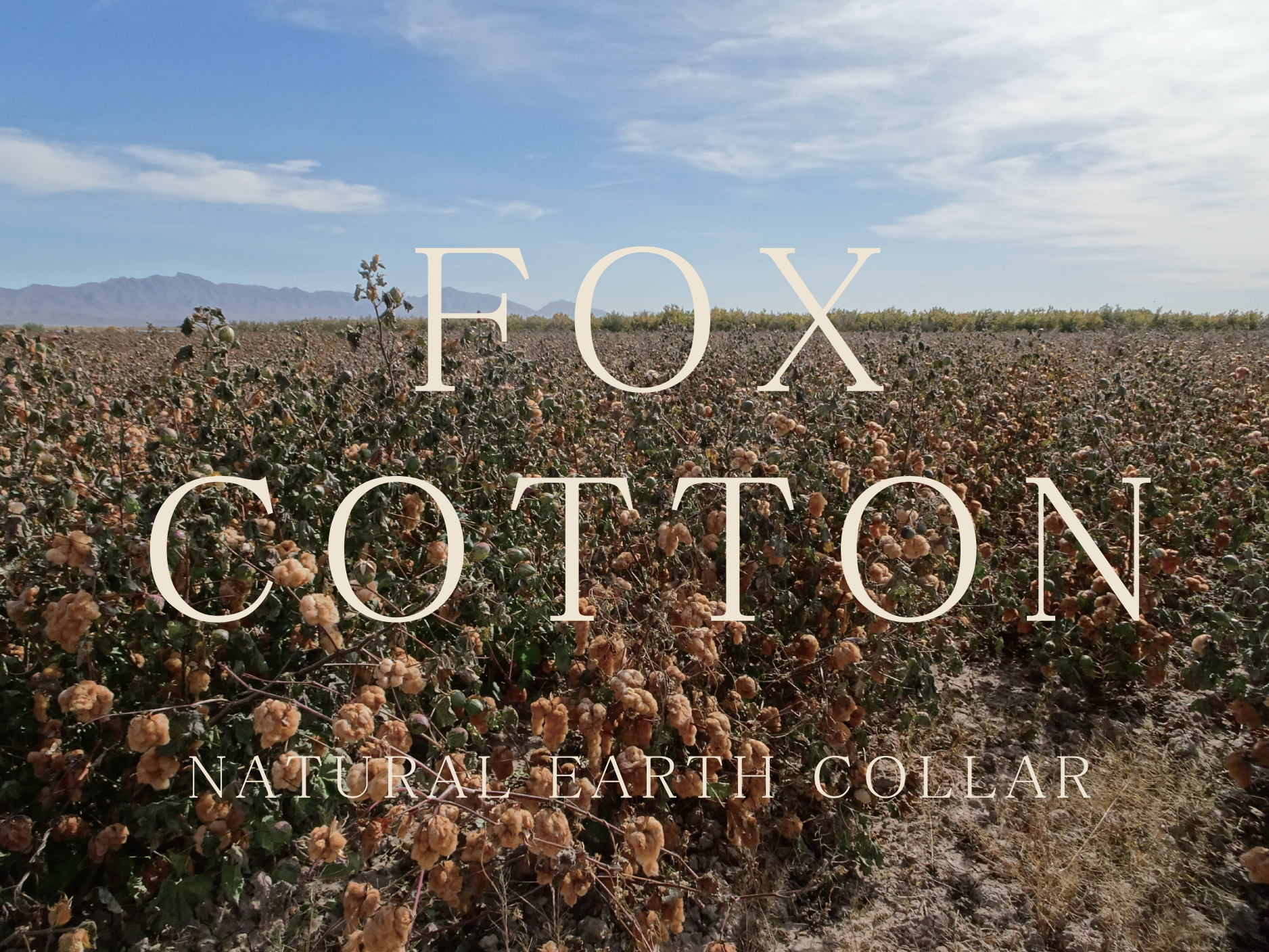
With the Fox Cotton Work Shirt, Studio D’Artisan highlights organic FoxFibre® cotton, a natural cotton fibre developed by Sally Fox, a pioneer in sustainable cotton. This naturally coloured variety, originating from ancient cotton lineages dating back over 5,000 years, has been reintroduced within an ecological and contemporary textile framework.
Unlike conventional white cotton that requires dyeing processes, FoxFibre® cotton naturally features colour tones directly from the plant itself. No dyes or chemical treatments are used, significantly reducing environmental impact while revealing the raw beauty of the fibre.
Its unique structure, composed of micro-air pockets, provides remarkable functional properties: quick drying, natural insulation, UV protection, and exceptional softness against the skin. The fabric combines comfort, performance, and natural authenticity.
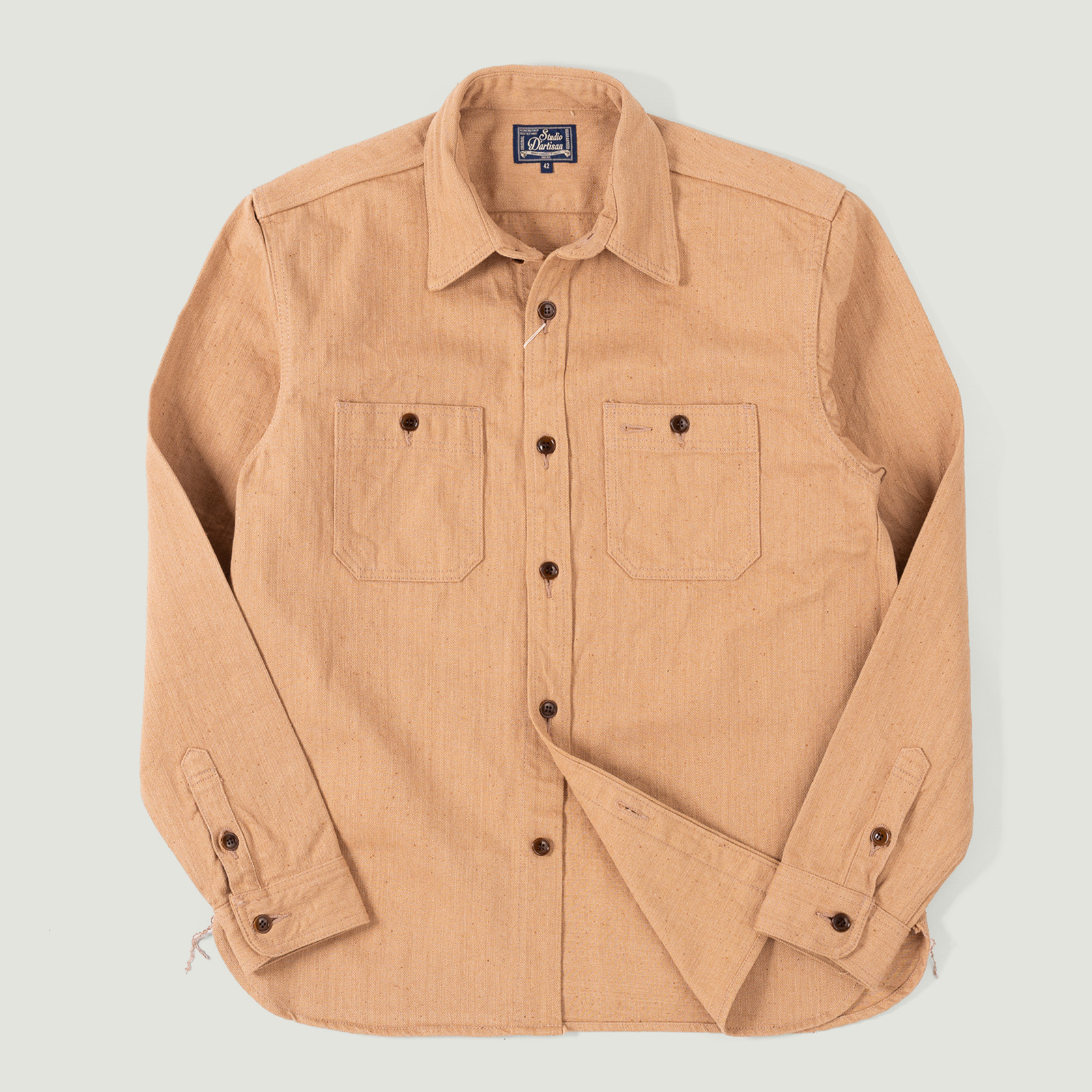
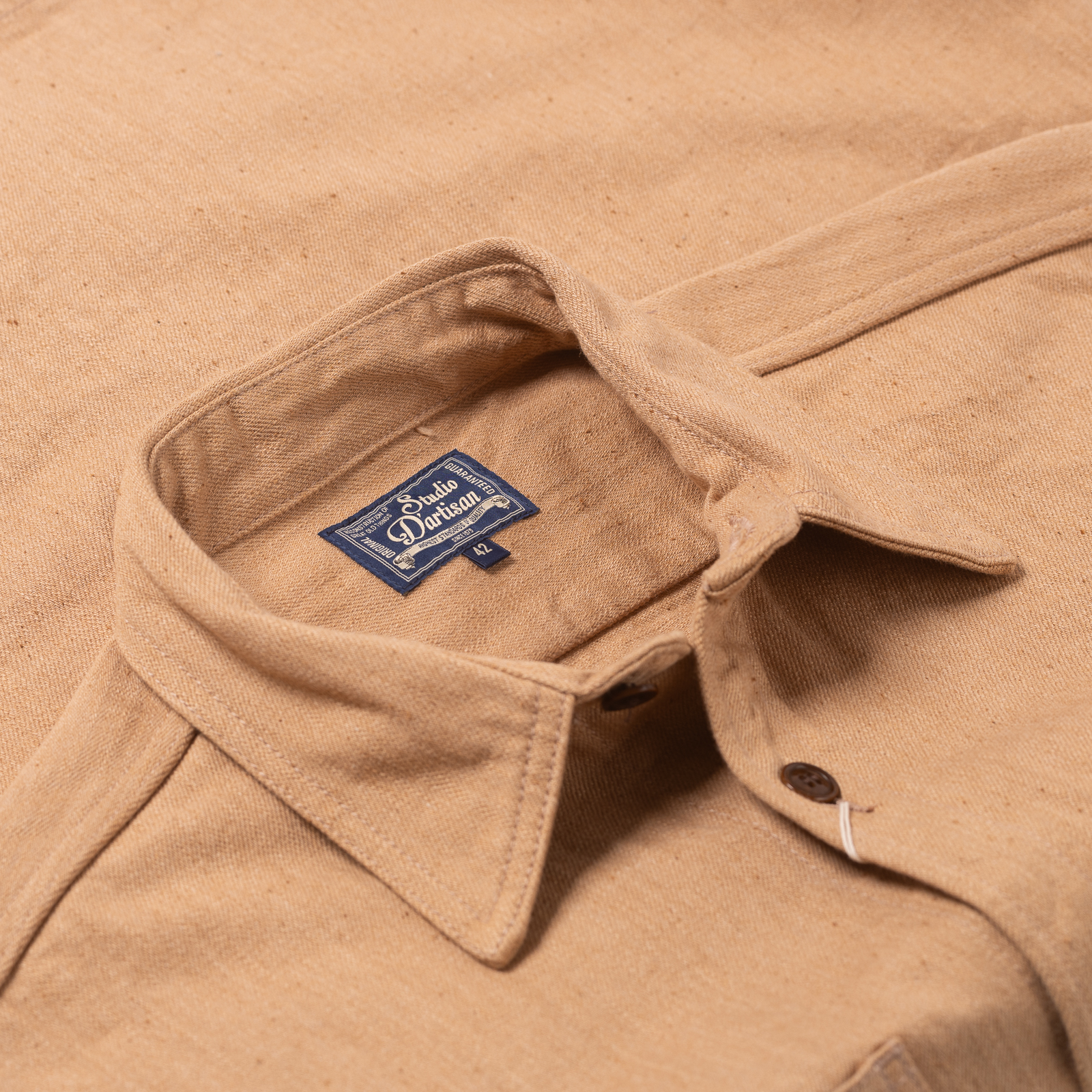
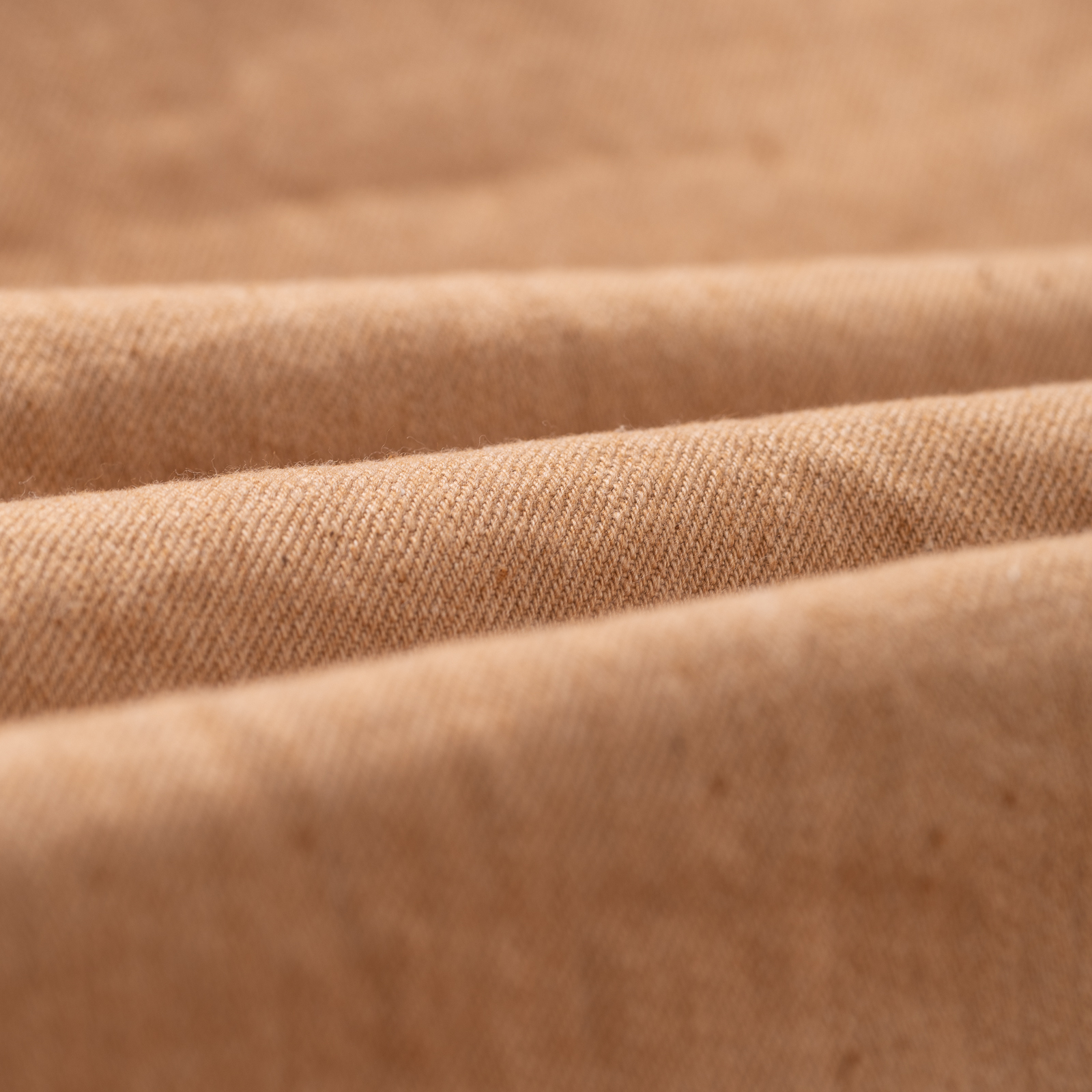
This rare cotton embodies an approach where the material itself becomes the solution, without excessive transformation, respecting the balance between function, durability, and environmental responsibility.
A collection guided by material and time
Through these three propositions, Studio D’Artisan builds a vision of Japanese textiles rooted in transmission: earth with Amami, visual memory with Chōjū Giga, and nature itself with Fox Cotton.
The SS26 collection goes beyond revisiting traditional techniques: it places them in a contemporary dialogue where each fibre carries a story, and each garment becomes a living cultural medium.
You can find the rest of our Studio D’Artisan selection in-store and online.
Explore the Studio D’Artisan selection